Top 7 Tips for Better Fuel Economy
1 – Tyre Pressures
A simple way to increase fuel efficiency is to make sure all your tyres are inflated to the recommended levels. Most manufacturers have a label inside the fuel filler cap that shows what tyres should be inflated to, based on the load/number of passengers. It’s important to regularly check your tyre pressures to ensure they remain at the correct level.
If your vehicle is under 5 years old, you could also consider tyre insurance through MotorEasy, helping protect against the cost of damage from potholes, kerbs and road debris.
2 – Vehicle features
If your car has features like engine start/stop or cruise control, it’s worth making full use of them, especially on longer journeys or motorway driving. Keeping start/stop active can help reduce fuel consumption by limiting engine idling, while cruise control helps maintain a steady speed, improving efficiency over longer distances.
3 - Think ahead
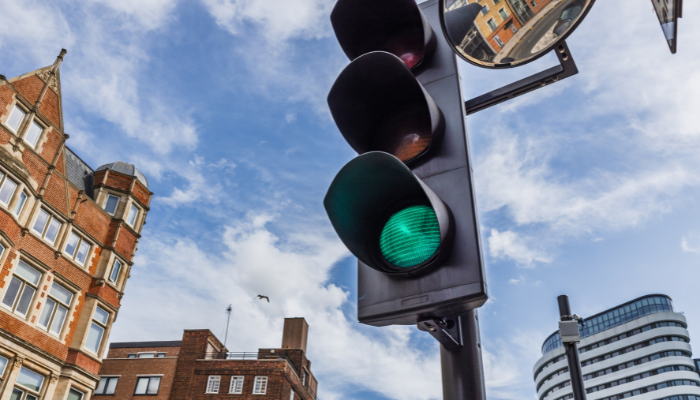
Keeping your acceleration smooth and looking ahead can make a noticeable difference. If you’re approaching traffic lights, easing off the accelerator earlier can help you avoid coming to a complete stop, improving fuel efficiency and making for a smoother drive.
If you have a manual car, use higher gears when safe to do so to improve efficiency especially on longer stretches of road and motorways. Upshifting at a lower RPM (Around 3-5k, depending on your vehicle) will help improve overall fuel efficiency.
4 – Regular Servicing
Regularly timed servicing plays an important role in keeping your car running smoothly. Most manufacturers recommend a service every 12 months or roughly 10,000–12,000 miles, depending on the vehicle.
Rather than being something to put off, servicing is a key part of maintaining your car’s performance and reliability. It typically includes essential checks and replacements, such as engine oil, brake fluid and important filters, all of which help keep everything running as it should. Think of it as a routine health check for your car, helping to catch potential issues early and keep things running smoothly.
With MotorEasy you can save up to 40% on main dealer pricing on servicing costs with one of our networks of garages. We’ll manage the whole process for you and let you know when your vehicle is ready to go.
Book a full manufacturers service and get a free MOT
Top tip: Even with regular servicing, wear and tear is inevitable, especially on older vehicles. A MotorEasy warranty can help protect against unexpected repair costs, with cover available for cars up to 13 years old and 130,000 miles. It’s a simple way to avoid large, unexpected bills and keep running costs predictable.
5 – Remove excess drag
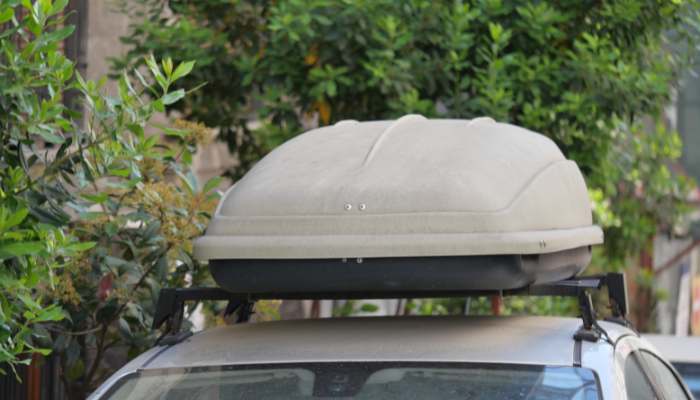
Another simple step you can implement to improve the fuel economy is to remove any excess drag from your car such as roof racks, roof boxes, mudflaps, spoilers and even side skirts as these can increase fuel consumption as your driving.
Additionally, if you’ve got extra weight in your car, such as all your winter jackets, walking boots or multiple towels for your dog. Then now would be a good time to give your car a spring clean – less weight means less work for your engine.
6 – Air Conditioning
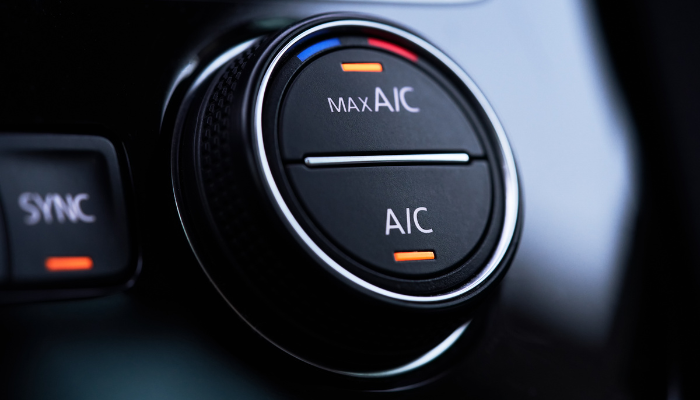
If possible, keep your climate control to a minimum, Air conditioning increases fuel consumption so before you head off on your next journey, consider if you really need it. Opening your window could be more efficient if you are travelling at low speeds; however, at higher speeds, it’s better to keep windows closed and use air conditioning to reduce drag as well as noise.
7 – Combining trips
If you can combine multiple trips into one outing, you will save on fuel as an engine is always more efficient once it has reached operating temperature. Something to bear in mind before your next post office trip or supermarket dash.
You don’t have to implement all the tips above, even using a few can make a noticeable difference, especially if you cover a lot of miles!
If you are making a longer journey this Easter, consider following the advice from National Highways by following their T.R.I.P driving acronym before you make a longer journey.